The Thanjavur Palace Complex has evolved over several centuries. The district administration describes the palace as dating to the 14th century, with structures built and developed by the Nayaks and later the Marathas. The complex is known for its imposing walls, spacious halls, decorated rooms, observation towers, frescoes, stucco work, carvings, and underground passages. The Nayak rulers established much of the palace's early character. The Marathas later made substantial additions and used the complex as their royal residence after taking control of Thanjavur in the 17th century.
The palace therefore cannot be attributed to a single dynasty. Instead, it is best understood as an evolving royal complex in which different periods remain visible in the architecture and collections. For more on this chapter of the city's history, explore our guide to the Thanjavur Maratha Palace.
The Thanjavur Palace Museum is one of several distinct cultural institutions within the larger palace complex. It is located in the Sadar Mahal section, alongside the Raja Serfoji Memorial Hall. This distinction is worth knowing before a visit. The palace complex contains several attractions rather than one single museum. The Royal Palace Museum, Rajaraja Chola Art Gallery, and Saraswathi Mahal Library each offer a different perspective on Thanjavur's heritage.
The Royal Palace Museum provides a closer look at the royal collections associated with the palace. Nearby, the art gallery displays historic stone and bronze sculptures, while the Saraswathi Mahal Library preserves an extraordinary collection of manuscripts, books, maps, and paintings. Together, these institutions turn the palace into a living record of the region's cultural history.
A museum becomes memorable when history feels tangible. The collections within the palace complex do exactly that. Visitors can discover objects associated with royal life and administration, including royal memorabilia, traditional clothing, headgear, weapons, and other historic objects. The adjoining Rajaraja Chola Art Gallery adds another dimension through its collection of stone and bronze icons. The bronze collection is particularly significant.
It includes sculptures dating from the 9th to the 19th century, allowing visitors to trace changing artistic traditions across several centuries. The palace complex also connects visitors to the remarkable Saraswathi Mahal Library. Its collection includes more than 49,000 manuscripts on paper and palm leaf, alongside books, maps, and paintings. The library represents the intellectual traditions nurtured under the Nayak and Maratha rulers. For visitors interested in the artistic heritage of the region, our guide to the art gallery in Thanjavur offers another way to explore these collections.
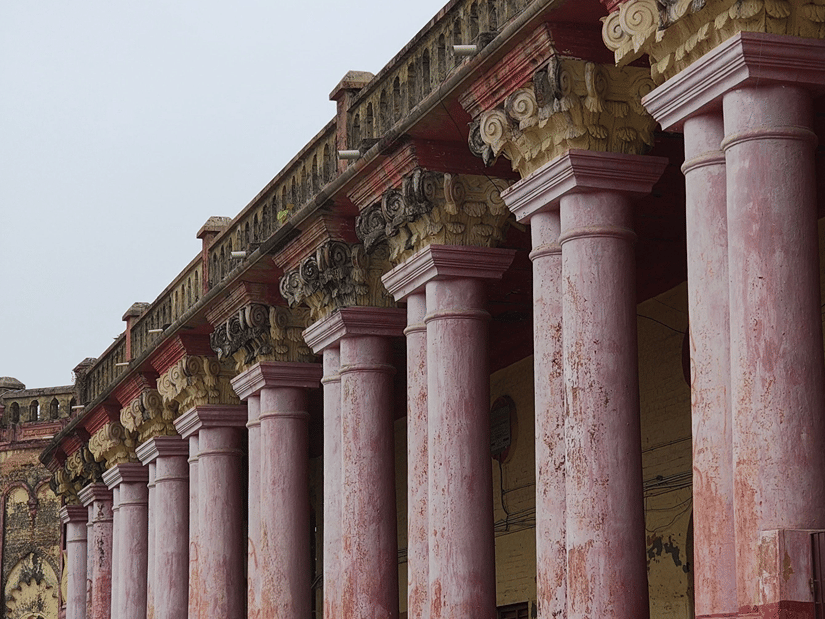
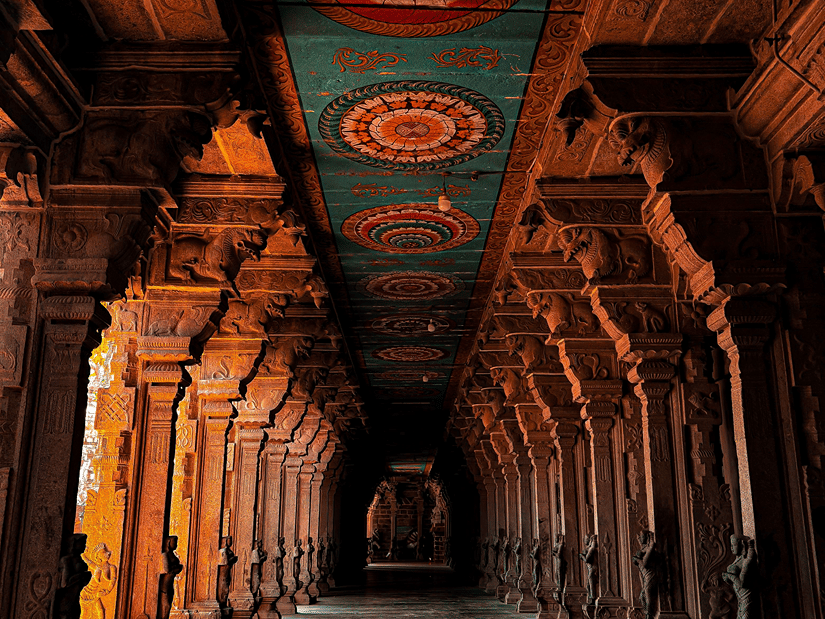
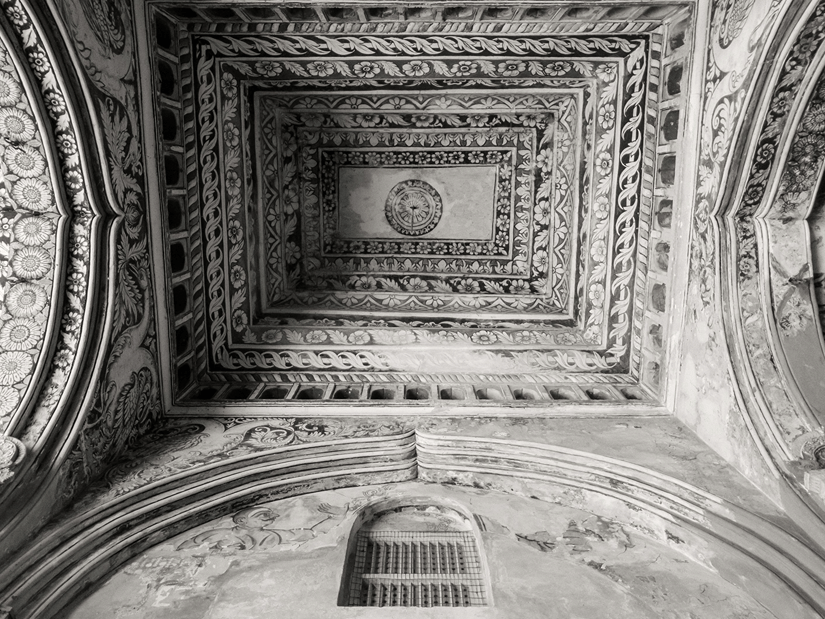
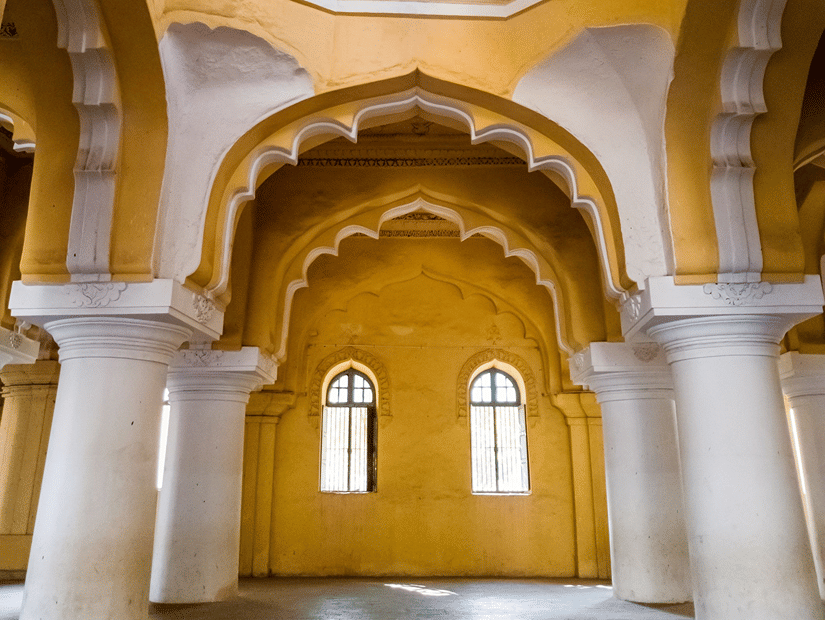
The architecture of the Thanjavur Palace Complex is as compelling as the objects displayed inside it. Large corridors and halls create a sense of scale, while decorated ceilings, frescoes, stucco ornamentation, and intricate carvings reveal the craftsmanship of earlier periods. The complex also contains imposing towers that once served practical and ceremonial purposes. Among the most striking structures is the Arsenal Tower, also known as Indhira Mandhiram.
Standing about 190 feet high and rising across seven floors, it was associated with the Nayak rulers before later being used by the Marathas for storing weapons and as a watchtower. Another intriguing structure is the Bell Tower. It once played a role in announcing the time with a gong and conch shells. Historical accounts also describe a distinctive clock featuring a monkey that struck the gong every hour. These details show how the palace combined royal, administrative, defensive, and ceremonial functions within one complex.
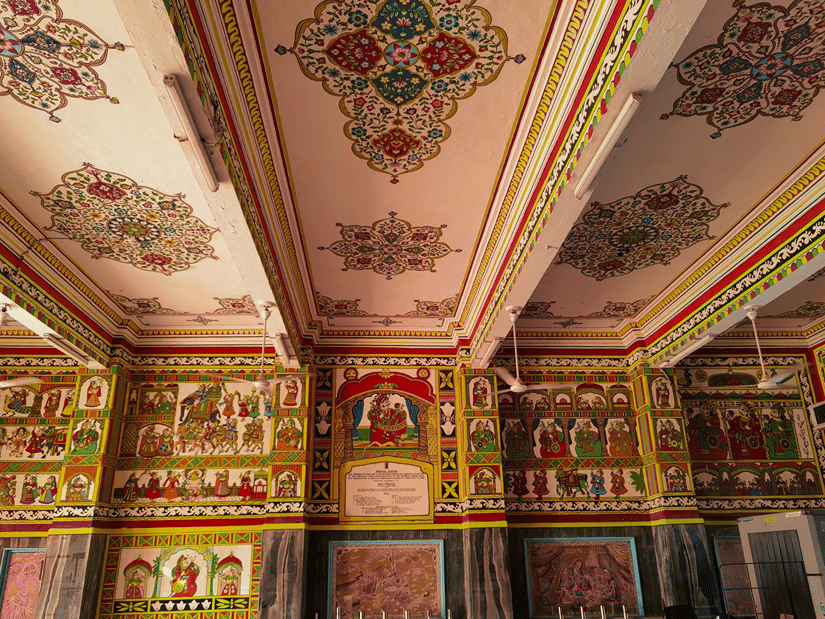
The palace's Durbar halls offer another glimpse into the ceremonial life of its rulers. Lakshmivilasam is associated with the Maratha period and features murals, stucco work, painted portraits, arches, and octagonal columns. The walls carry religious imagery alongside representations of members of the Maratha royal family.
The Nayak Durbar Hall, meanwhile, is now associated with the art gallery. Its transformation from a royal court space into a setting for displaying historic sculptures demonstrates how the palace has acquired new cultural functions over time. Walking through these spaces offers more than an architectural experience. It helps visitors imagine how rulers received guests, conducted court proceedings, supported artists, and displayed their authority.
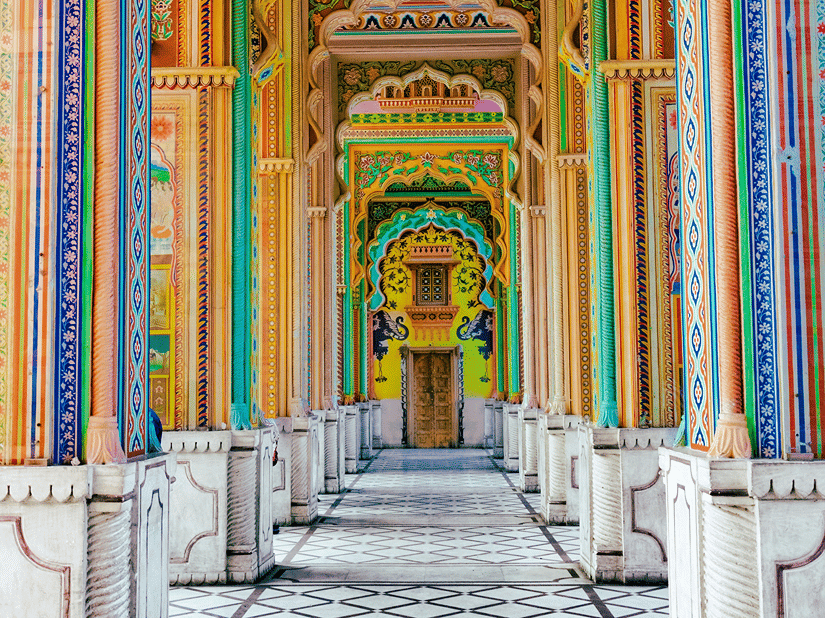
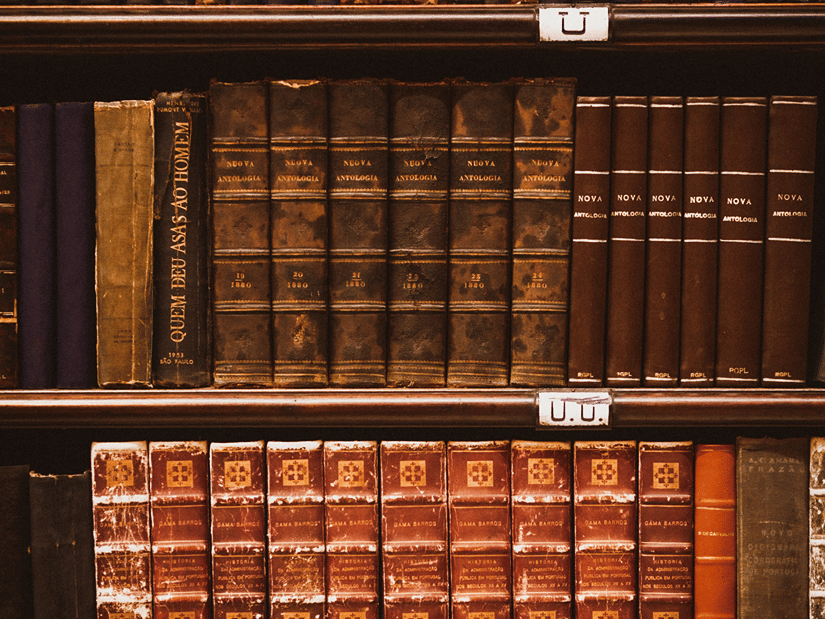
The palace was not simply a residence. It was also a centre of governance, learning, culture, and artistic patronage. The Nayak and Maratha rulers supported literature, scholarship, music, art, and religious institutions. Their patronage helped shape Thanjavur's identity as a major cultural centre in South India. One of the most fascinating figures connected with this legacy is Serfoji II. Educated under the guidance of Christian Friedrich Schwarz and other teachers, he developed a strong interest in languages, literature, science, medicine, and education.
His contribution to the Saraswathi Mahal Library was particularly significant. He expanded its collection and encouraged the preservation and production of knowledge. His interests extended to printing, medicine, and zoology, reflecting the wide intellectual curiosity of his reign. The legacy of rulers such as Serfoji II helps explain why the palace complex is valuable not only to tourists but also to students and researchers exploring Tamil history.
Museums preserve more than objects. They preserve the stories connected to those objects. For students, the palace complex provides a visual way to understand subjects such as South Indian history, architecture, sculpture, manuscript traditions, and royal administration. Researchers can explore the relationship between different dynasties, artistic traditions, and systems of knowledge.
The Saraswathi Mahal Library is especially important in this regard. Its manuscript collections provide an enduring record of intellectual activity in the region. For cultural travellers, meanwhile, the experience is more personal. A sculpture, mural, manuscript, or architectural detail can turn an abstract historical date into something tangible. This is why the Royal Palace Museum remains an important part of Thanjavur's heritage tourism landscape.
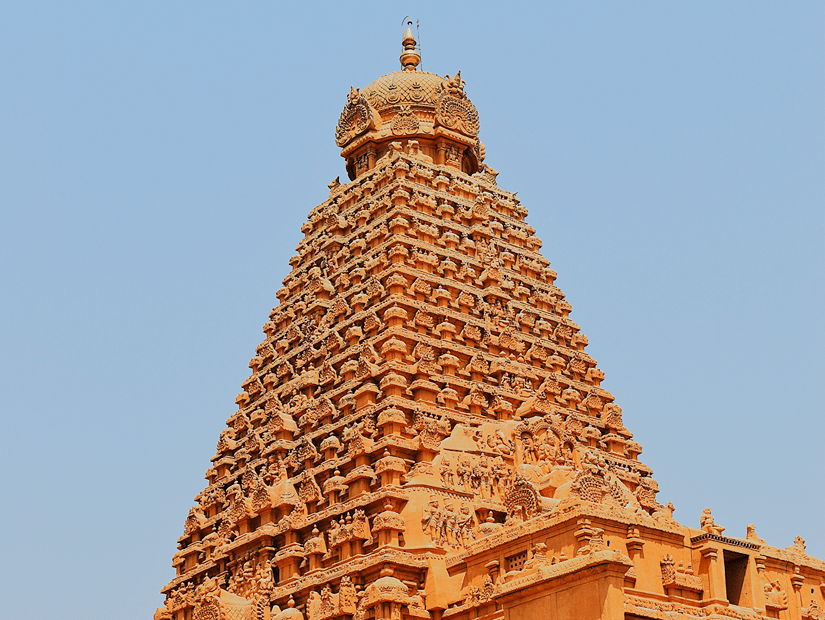
- The Arsenal Tower rises approximately 190 feet across seven floors
- The tower was associated with the Nayak rulers and was later used for storing weapons and as a watchtower
- Historical accounts describe a monkey figure associated with the Bell Tower clock
- More than 100 built-in steps lead towards the upper levels of the Bell Tower
- Excavations around the Bell Tower uncovered objects including celadon ware and dolls
- The Sarjah Madi contains paintings and stucco work associated with the early 19th century
- Lakshmivilasam contains murals featuring members of the Maratha royal family
- The palace complex still has links to the Maratha royal family, with members of the family residing within part of the palace
Exploring the palace complex can easily take several hours, particularly if you want to see its different museums and collections. Our hotel provides a convenient base for a heritage-focused stay in Thanjavur. Our hotel is on Trichy Road in Parisutham Nagar and is approximately 4 km from the Royal Palace Museum. The journey takes around 11 minutes by car, depending on traffic and the route taken.
Our travel desk can assist guests with local arrangements, while our in-room dining service can prepare packed lunches for guests spending the day exploring the city's cultural attractions. Our hotel also places guests within easy reach of other important sights. The Brihadeeswara Temple is approximately 2 km away, making it convenient to combine the palace complex with one of Thanjavur's most celebrated landmarks. After a day of sightseeing, guests can return to comfortable accommodation across our 4 room categories. Our dining options include Thillana, our multi-cuisine restaurant, while round-the-clock room service is also available. For a broader itinerary, explore our guide to places to visit in Thanjavur.