The Religious Significance of Pillayarpatti Ganapathi
The Pillayarpatti Ganapathi is considered one of the rarest forms of Ganesha in South India. The deity is presented as a magnificent 6-foot bas-relief, masterfully carved directly from the rock of the cave wall. Its name, Karpaga Vinayagar, signifies the profound belief that the deity fulfils devotees' wishes as boundlessly as the mythical Karpaga tree.
Recognised as one of the most important Vinayagar shrines, the temple serves as one of the 9 ancestral seats for the Nattukottai Chettiar community, also known as Nagarathars. This influential group has meticulously maintained and funded the sanctuary since at least 714 AD. Devotees believe that seeking the blessings of Pillayarpatti Karpaga Vinayagar removes obstacles and fulfils sincere prayers, making it one of the most visited pilgrimage destinations in the Chettinad region.
Recognised as one of the most important Vinayagar shrines, the temple serves as one of the 9 ancestral seats for the Nattukottai Chettiar community, also known as Nagarathars. This influential group has meticulously maintained and funded the sanctuary since at least 714 AD. Devotees believe that seeking the blessings of Pillayarpatti Karpaga Vinayagar removes obstacles and fulfils sincere prayers, making it one of the most visited pilgrimage destinations in the Chettinad region.
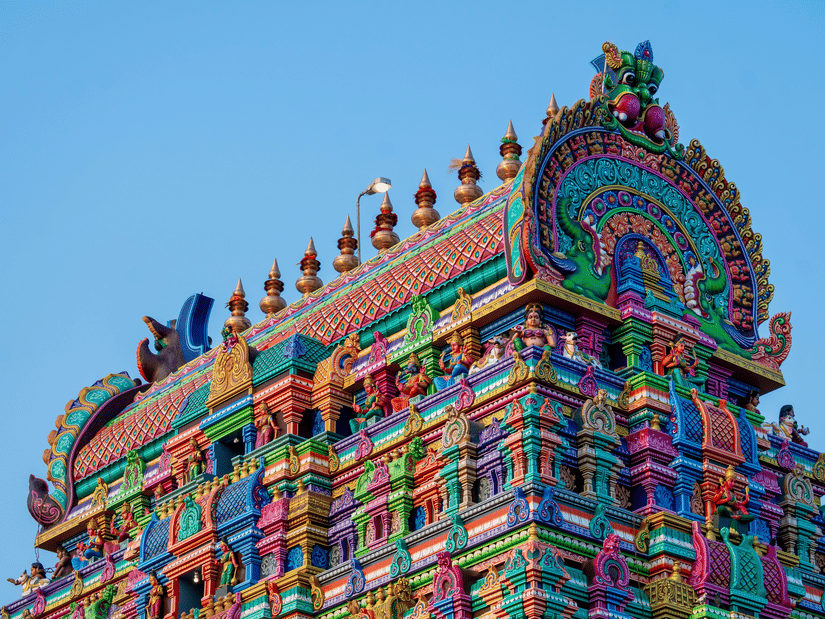
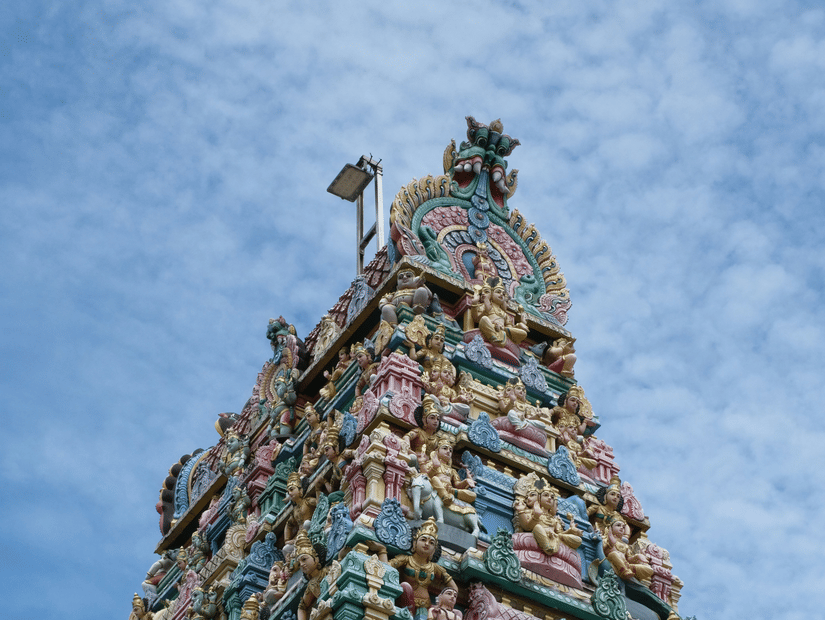
History and Architecture of the Karpaga Vinayagar Cave Shrine
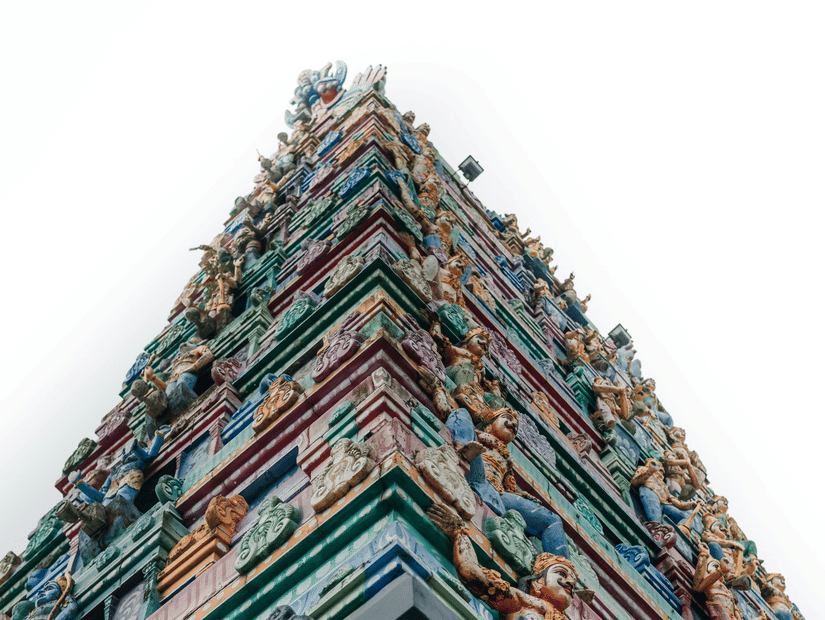
The foundational structure of the Pillayarpatti Temple dates back to roughly the 7th century AD, although ancient inscriptions imply that the settlement and its sacred site may have existed even earlier. The temple evolved through 3 distinct phases: the initial rock-cut cave from the Pandya era, the addition of the Vimana and Rajagopura under Nattukottai Chettiar patronage starting in the 13th century, and subsequent restorations in more recent centuries. Over 15 inscriptions within the temple help trace this timeline, with the earliest referencing the region under its older names—Ekkattoor, Maruthangudi, and Rajanarayanapuram.
The presiding deity, Pillayarpatti Karpaga Vinayagar, is a 6-foot bas-relief sculpted directly into the cave wall by Ekkatur Poon Peruparanan, a sculptor whose name is inscribed nearby in early Tamizhi script.
The presiding deity, Pillayarpatti Karpaga Vinayagar, is a 6-foot bas-relief sculpted directly into the cave wall by Ekkatur Poon Peruparanan, a sculptor whose name is inscribed nearby in early Tamizhi script.
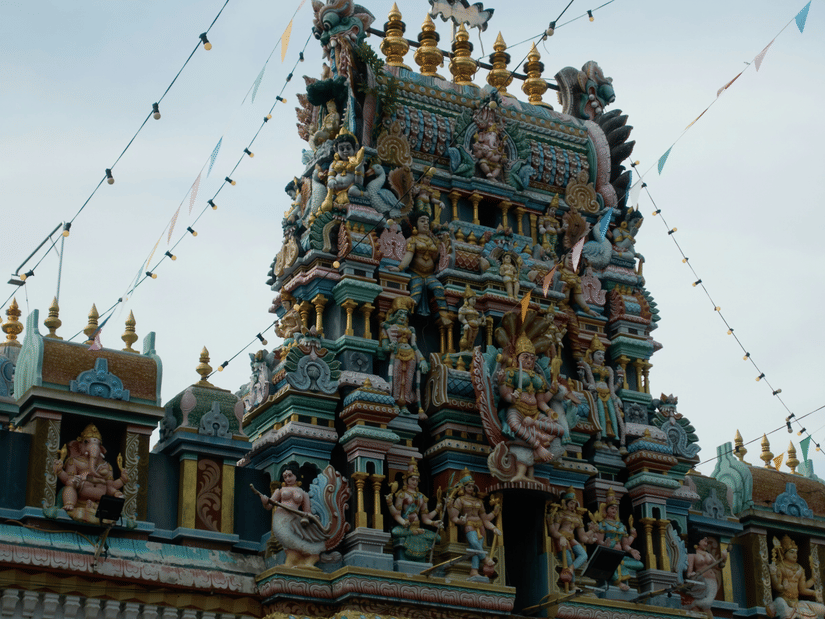
The idol faces north, holds a Shiva lingam, and has its trunk curled to the right—the Valampuri form. It has 2 arms rather than the standard four, and the idol is seated in Ardha Padmasana posture. Those viewing Pillayarpatti Vinayagar photos will also notice the broken left tusk, an iconographic feature historians note was already established at the time of carving. The cave also contains a rock-cut Shiva lingam called Thiruveesar and a bas-relief variously identified as Ardhanarishvara.
- Estimated age: 7th century AD core shrine (early Pandya period); inscriptions spanning 2nd century AD to 1284 AD.
- Sculptor: Ekkatur Poon Peruparanan—name inscribed near the idol in early Tamizhi script.
- Idol: 6-foot rock-cut bas-relief; 2 arms; Valampuri trunk (curled right); north-facing; Ardha Padmasana posture.
- Other carvings: The cave interior houses a rock-cut Shiva lingam known as Thiruveesar, alongside detailed bas-reliefs of Ardhanarishwara and Pasupatheeswarar.
- Custodians: Nattukottai Chettiar community (Nagarathars), one of the 9 ancestral temples of the Chettiars.
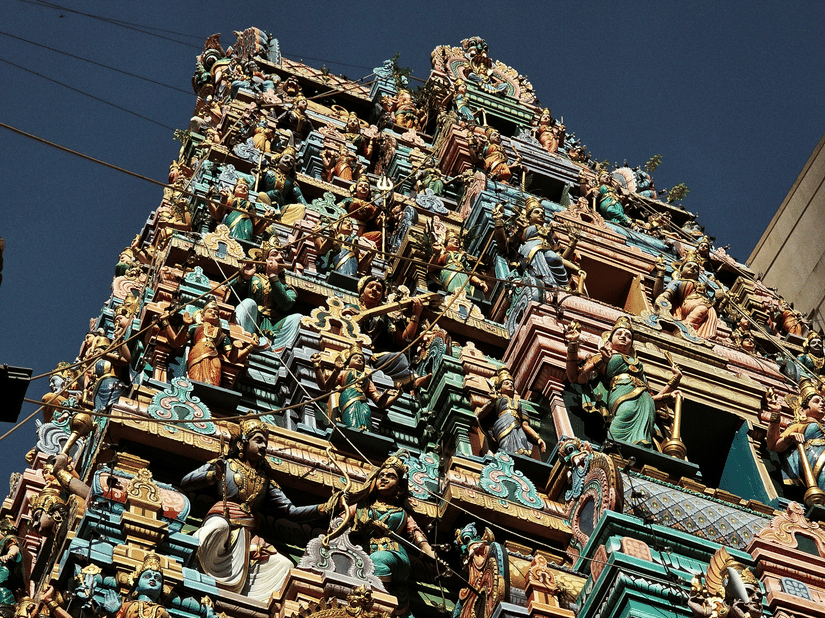
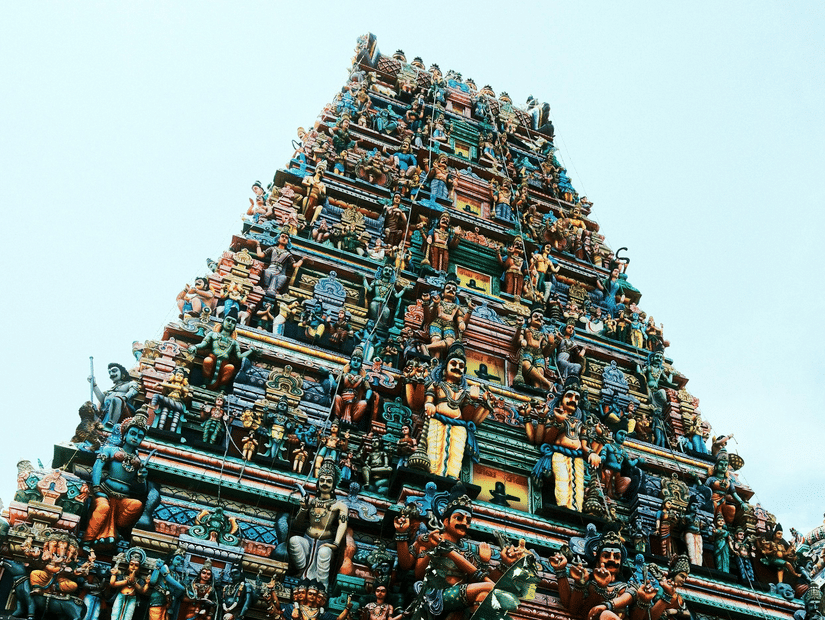
Rituals and Festivals at Pillayarpatti Ganapathi Temple
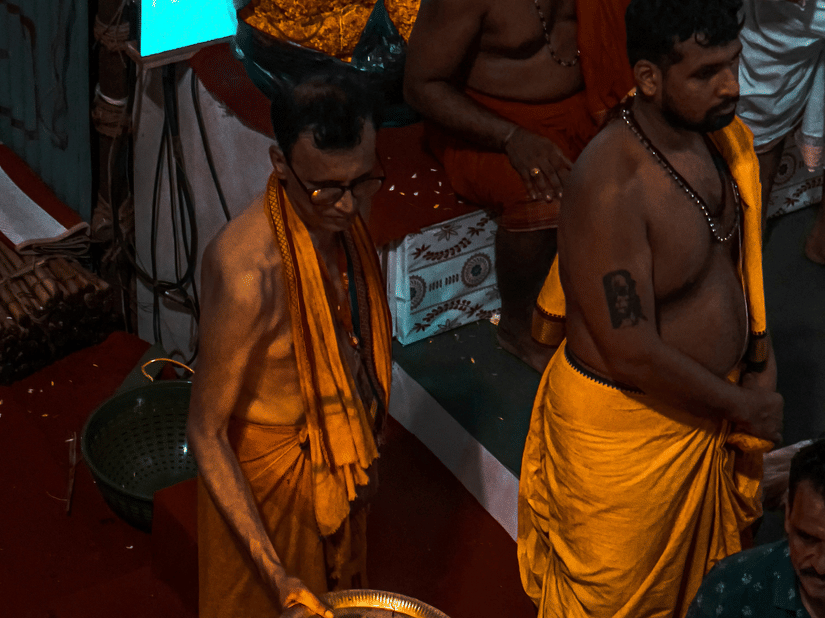
The temple conducts 5 puja sessions daily. Abhishekam to the Pillayarpatti Ganapathi is considered especially auspicious for pilgrims marking occasions such as new ventures, weddings, and examinations.
The most significant annual celebration is Vinayagar Chaturthi. The 10-day festival includes special abhishekams, street processions, and extended darshan hours, drawing large crowds from across the Sivaganga, Madurai, and Pudukkottai districts.
The most significant annual celebration is Vinayagar Chaturthi. The 10-day festival includes special abhishekams, street processions, and extended darshan hours, drawing large crowds from across the Sivaganga, Madurai, and Pudukkottai districts.
- Pooja Timings: Thiruvanandal Abhishekam - 6:00 AM - 6:30 AM | Kaalasanthi Abhishekam - 8:30 AM - 9:30 AM | Uchikalam Abhishekam - 11:30 AM - 12.00 Noon | Maalaisanthi or Sayaratsai - 5:00 PM - 6:30 PM | Iravusanthi or Arthajaman - 7:45 PM - 8:30 PM
- Vinayagar Chaturthi: Aavani month (August or September), 10-day festival with processions and special pujas.
- Sankatahara Chaturthi: Monthly observance on the fourth day of the waning moon.
- Karthigai Deepam: Tamil month of Karthigai (November or December), lamp-lighting rituals.
Pillayarpatti Temple Timings, Entry, and Visitor Guidelines
- Temple timings: 6:00 AM to 1:00 PM and 4:00 PM to 8:30 PM daily.
- Entry: Free entry to the main shrine. Special Abhishekam tickets are available at the temple counter.
- Dress code: Traditional attire preferred. Men are expected to remove their shirts before entering the sanctum.
- Photography: Pillayarpatti Vinayagar photos may be taken in the outer mandapam and premises. Photography inside the sanctum is restricted.
- Best time to visit: Visit from 6:00 AM to 8:00 AM to avoid the long queues and experience the morning's main abhishekam ritual.
- Footwear: Remove all footwear before entering.
How to Reach Pillayarpatti from Karaikudi, Pudukkottai, and Madurai
Pillayarpatti is in the Sivaganga district of Tamil Nadu, approximately 14 km from Karaikudi, 44 km from Pudukkottai, and 75 km from Madurai. Karaikudi Junction is the nearest railway station (17 km), and Madurai Airport is the nearest airport (approximately 85 km).
- From Pudukkottai: 45 km via NH 336. A taxi or private vehicle is recommended; the journey takes approximately 1 hour.
- From Madurai: 75 km via NH 38 and NH 336. Taxi or private vehicle; 1.5 to 2 hours.
Places to Visit near Pillayarpatti
The region surrounding Pillayarpatti is rich in temple heritage and well worth extending into a 2-day itinerary.
- Thirumayam Fort and Cave Temple: Approx. 26 km from Pillayarpatti. A 17th-century Tondaiman fort with 2 rock-cut cave temples, protected by the Archaeological Survey of India.
- Sittanavasal Cave Temple: Approx. 55 km near Pudukkottai. A Jain rock-cut cave with rare Pallava-period murals, among the finest surviving early Indian frescos.
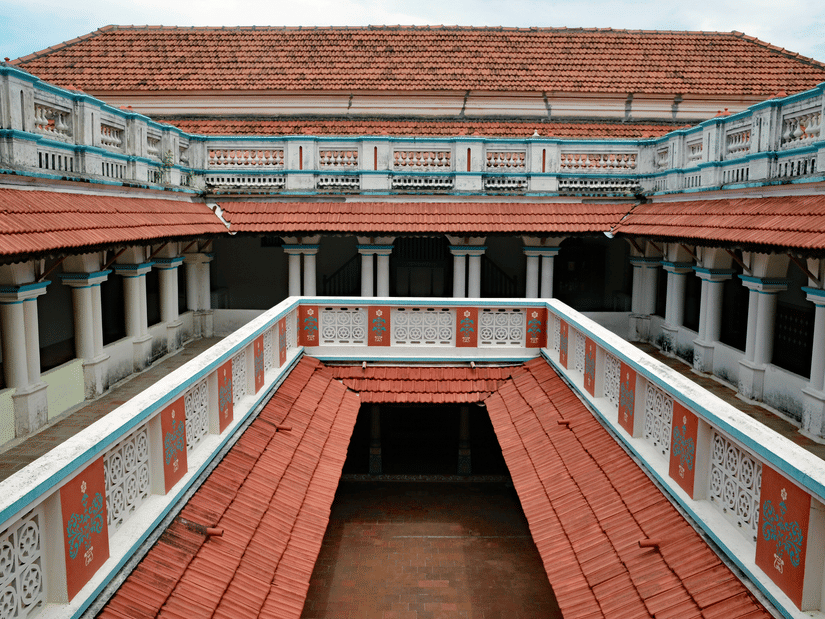
- Chettinad Heritage Villages: Approx. 18 km from Pillayarpatti. Kanadukathan and Karaikudi feature Chettiar mansions with Athangudi tiles, Belgian glass, Burmese timber, and intricate woodwork. Many are open to visitors.
Chidambara Vilas, Pudukkottai: Heritage Stay near Pillayarpatti Temple
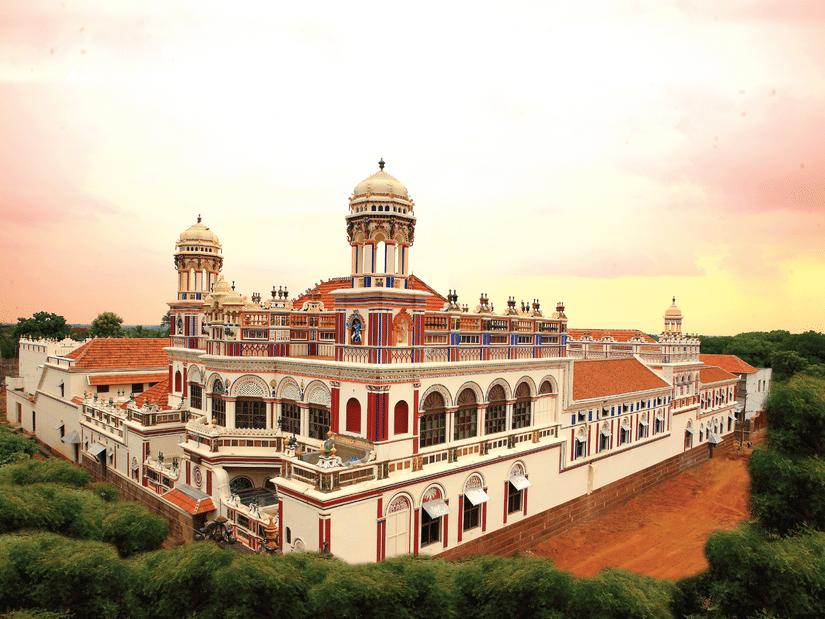
Travellers visiting for the darshan of Pillayarpatti Karpaga Vinayagar will find Chidambara Vilas in Pudukkottai a well-matched base. The property is a 118-year-old Chettiar mansion built between 1897 and 1904 by the Chettiar family, using materials imported from Burma, Belgium, and Italy. Restored by the Sangam Group, it now operates as a luxury heritage hotel approximately 29 km from the temple. It received the NDTV Design and Architecture Award in 2014 and sits at the midpoint of the Tanjore-Madurai-Trichy circuit, within easy reach of Sittanavasal, Thirumayam Fort, and the Chettinad villages.
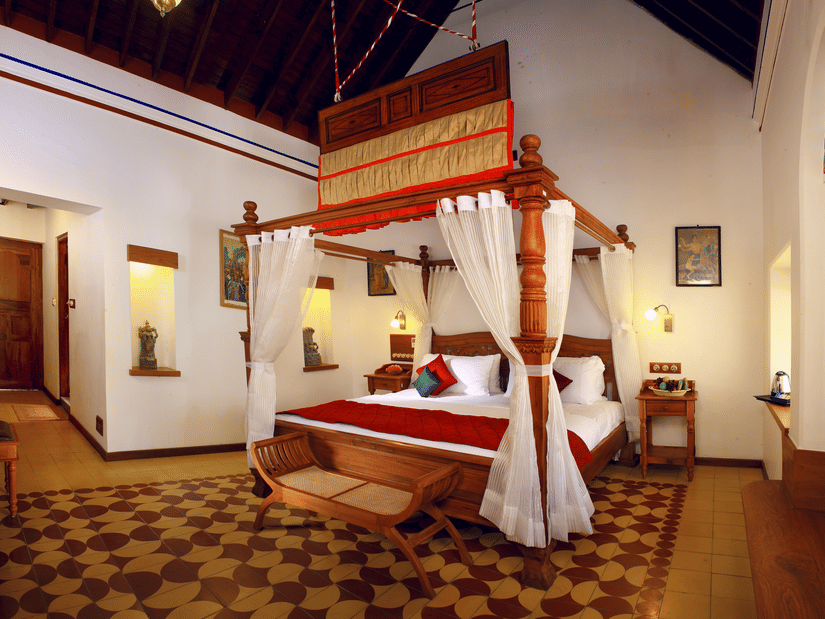
- Rooms: 3 categories of rooms, with twin or four-poster beds, Athangudi tile flooring, beamed roof, air conditioning, and full bathrooms.
- Architecture: Authentic Chettinad mansion with Burmese timber beams, Belgian mirrors, Italian marble, and intricate carved woodwork across the Mugappu, Paadasalai, and Valavu.
- Dining: Chidambaram Vilas has 2 restaurants and a bar. There is also an interactive demo kitchen to educate guests on the heritage of the cuisine.
- Cultural experiences: Join heritage walks, learn how to make garlands, or take Chettinad cooking classes.
- Facilities: Outdoor swimming pool and multiple banquet spaces.
- Location (Approx.): 29 km from the temple, 4.5 km from Thirumayam Fort. 88 km from Tanjore, 70 km from Trichy, 97 km from Madurai.