Where Chettinad’s Architectural Grandeur Finds a Second Life
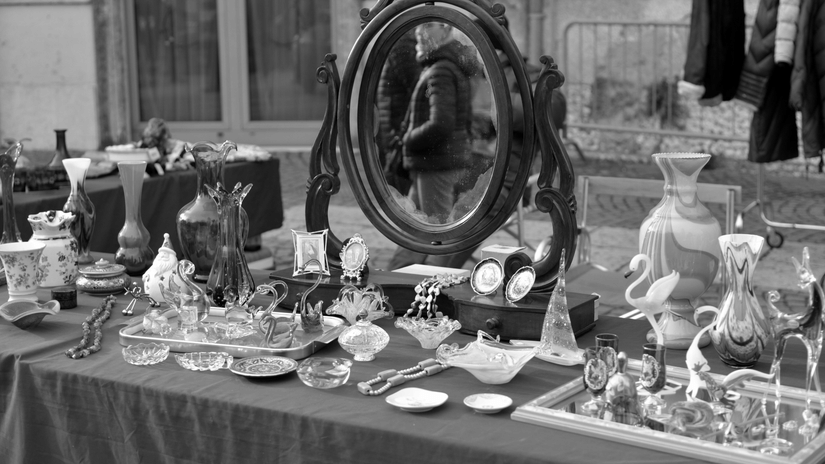
Located around 4 km from Karaikudi Railway Station, behind Shri Muneeswaran Temple in Kallukatti, this 40-year-old market features around 20 to 30 antique shops in a single lane. Many items come from dismantled Chettinad mansions whose architectural fragments are carefully preserved and resold. As a result, the Chettinad antique market has become a centre for collectors, designers, and heritage enthusiasts alike.
Inside the Historic Collections of Karaikudi Antique Market
As you step into this heritage lane behind, the atmosphere immediately shifts from ordinary marketplace to living museum. Historical records suggest that several pieces here trace their origins to Sweden, Japan, Austria, Germany, England, and even Czechoslovakia, a reminder of Chettinad’s far-reaching trade connections. During your visit, you may come across:
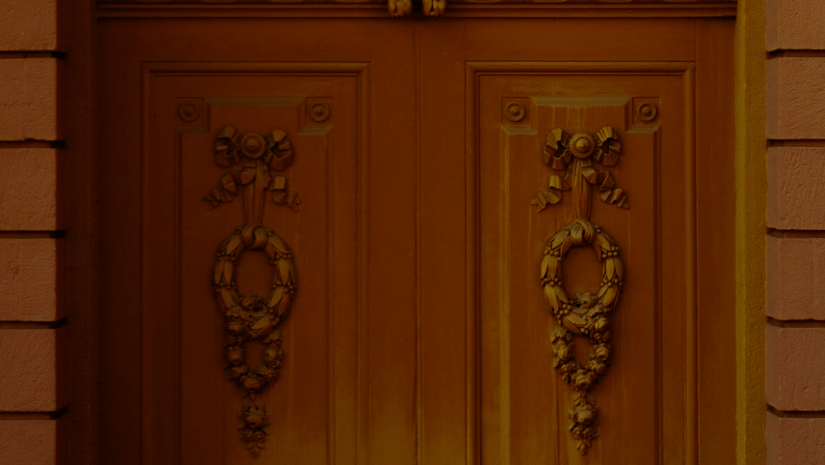
- Monumental Burma teakwood doors with original antique locks and ornate brass knockers
- Hand-carved wooden pillars and beams salvaged from Chettinad mansions
- Intricately carved furniture, including swings, side tables, and colonial-style chairs
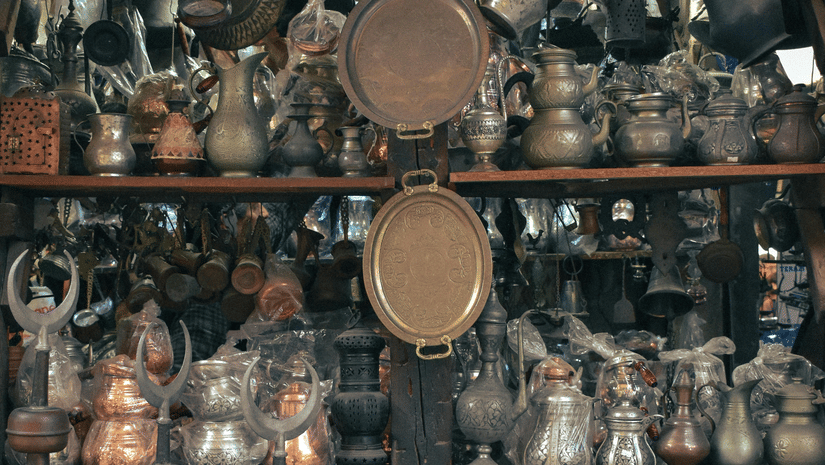
- Elaborate Indian brassware and bronze statues, alongside select pieces (vengalum), believed to be crafted in Panchaloha (vengalum): a traditional 5-metal alloy typically comprising silver, copper, iron, tin, and zinc
- Detailed bronze depictions of the 33 million Hindu gods, once described by a traveller as captured in exquisite metal form, stand as powerful expressions of devotion and masterful artistry.
- European curios, chandeliers and colonial-era lamps reflecting cross-continental influence
- Paintings of Raja Ravi Varma and vintage artefacts such as telescopes, compasses, and rotary telephones
Because many Chettinad mansions are carefully dismantled and resold piece by piece, the market continues to preserve architectural and artistic fragments that might otherwise have disappeared. Even in recent years, the market has retained its legacy as one of Tamil Nadu’s most distinctive heritage trading lanes.
From Global Trade Routes to Local Treasure Troves
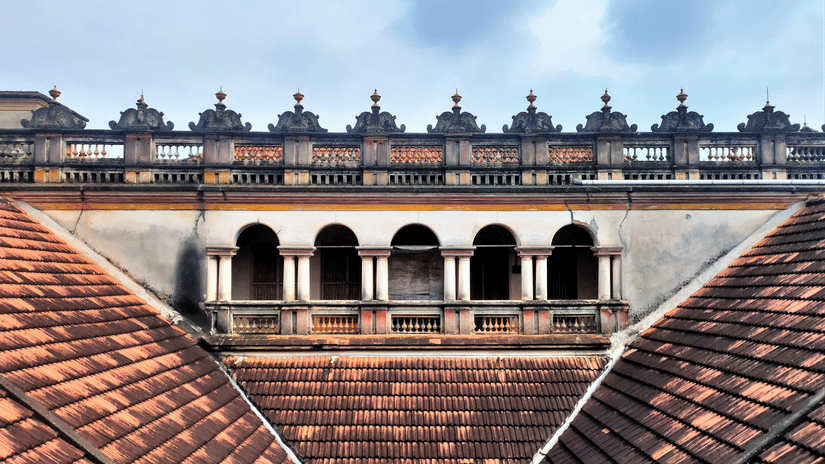
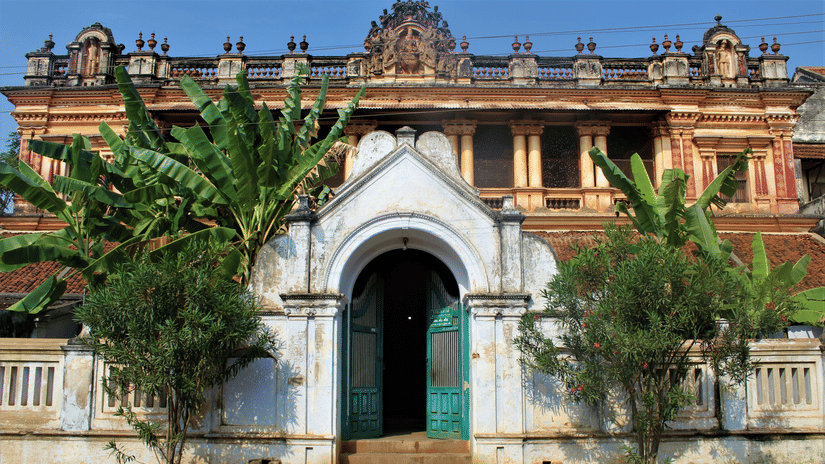
Karaikudi was the ancestral home of the Nattukottai Chettiars, renowned merchants and bankers active across South and Southeast Asia in the 19th and early 20th centuries. Their prosperity brought mirrors from Belgium, timber from Burma, lamps from Europe, and tiles from Italy. Today, that global legacy is visible throughout the Chettinad antique market, where imported curios sit beside traditional Indian artefacts.
The enduring appeal of Chettinad antique woodworks lies in their material strength, artistic detailing and cultural symbolism. Key aspects include:
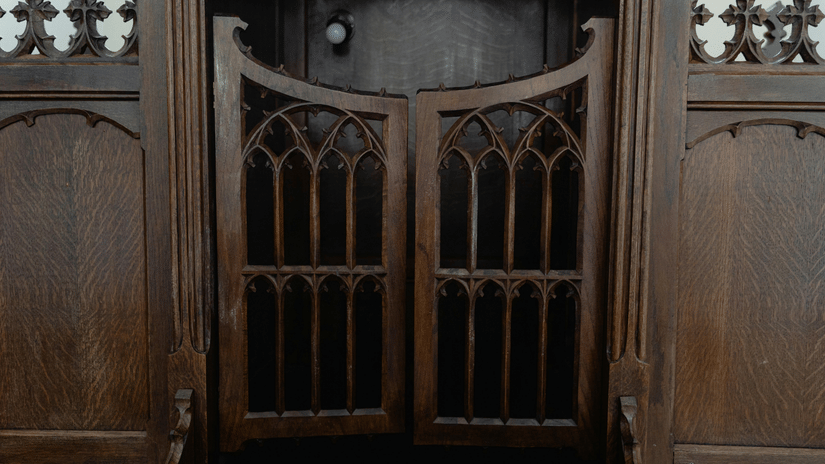
- Burma teak as the primary material: Most structural elements, such as doors, pillars, and beams, were carved from seasoned Burma teak, prized for its density, resistance to termites and longevity in humid climates.
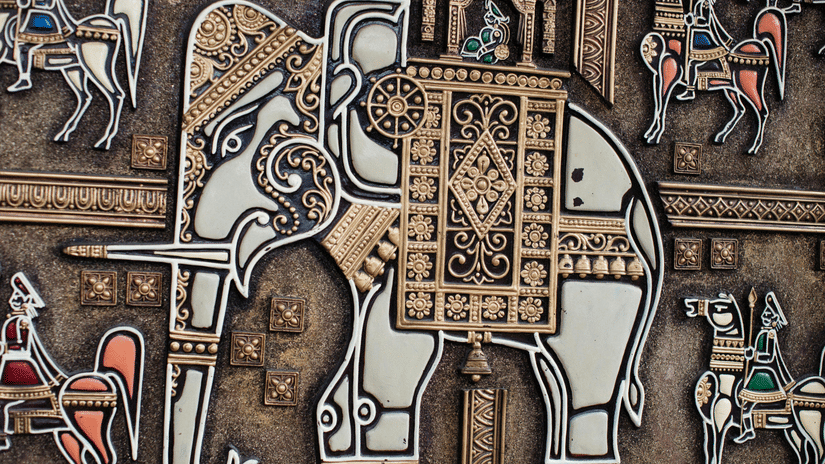
- Mythological and floral motifs: Carvings often feature yali (a mythical creature combining lion, elephant, and horse traits), lotus patterns and temple-inspired designs symbolising prosperity and protection.
- Architectural grandeur: Massive door frames, intricately sculpted columns, and ceiling panels were designed not merely for function but to showcase wealth and status within Chettinad society.
- Cultural and ritual significance: Grand wooden entrances marked social standing, while interior wooden swings and furniture formed part of ceremonial gatherings and family traditions.
- Global influence with local skill: Although inspired by European architecture, these works were executed by local craftsmen using imported timber and regional design sensibilities.
Together, these elements make Chettinad antique woodworks not just decorative objects, but preserved heritage pieces of Chettinad’s architectural and social history.
Plan Your Visit to Karaikudi Antique Market: Timing & Details
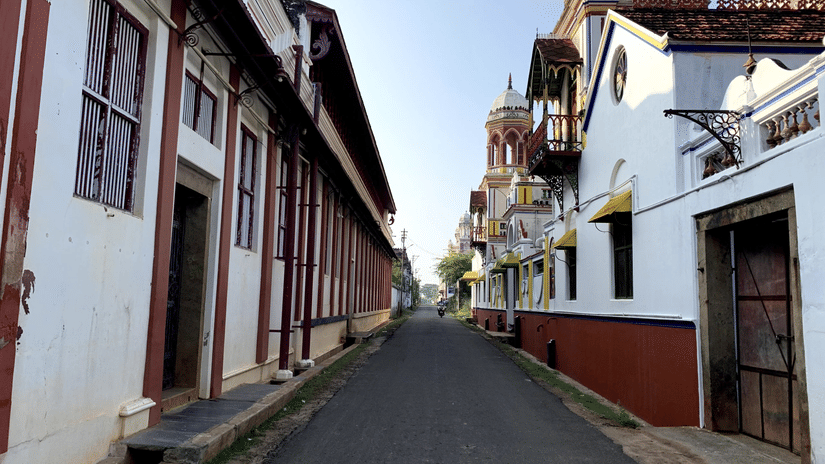
- Location: The market is located in a narrow lane behind Shri Muneeswaran Temple in the Kallukatti neighbourhood of Karaikudi, Tamil Nadu.
- Timing: 10:00 AM to 8:00 PM
- Entry fee: Free
- Best season: October to March for pleasant weather
- Crowd tip: Consider visiting on a weekday, as the market tends to be quieter compared to weekends.
- Bargaining: Negotiate firmly, as initial prices might be high
- Metal purchases: Request polishing before buying brass or bronze items
How to Reach Karaikudi?
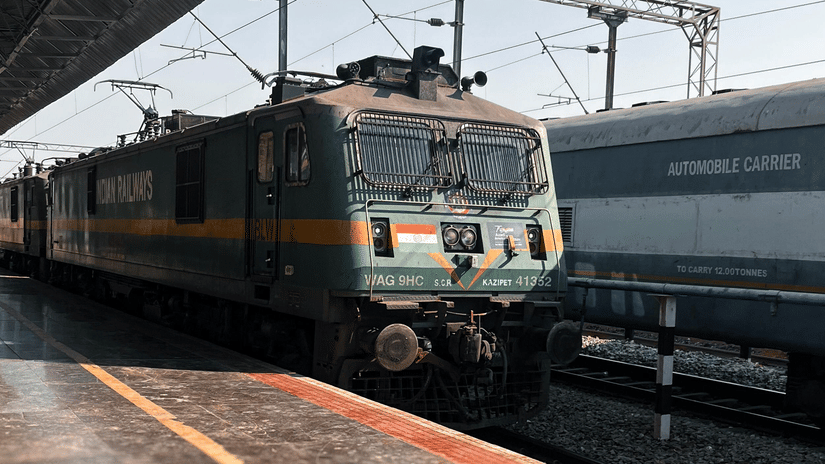
- Railway station: Karaikudi Junction serves as the primary railway station for the town and is situated around 4 kilometres from the antique market area.
- Nearest airport: The nearest airport to Karaikudi is Madurai International Airport, located approximately 98 kilometres away, with regular domestic connections to major Indian cities.
- By road: Karaikudi is well connected to Chennai, Madurai, Trichy, and Coimbatore through regular state-run and private bus services, and visitors may also hire taxis or drive down comfortably via national and state highways.
Stay Amidst Heritage at Chidambara Vilas
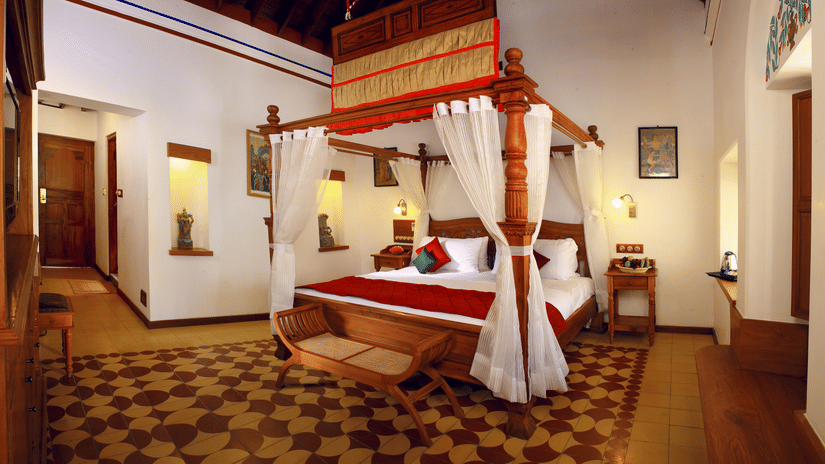
After exploring the Karaikudi antique market, extend your journey at Chidambara Vilas, a 118-year-old restored Chettiar mansion reflecting the refined lifestyle of historic Chettinad.
- Rooms: Our rooms feature Athangudi floors, garden views, or an in-room Jacuzzi with 24-hour service
- Dining: 3 distinctive dining experiences and a bar, including an interactive kitchen concept where local chefs prepare authentic Chettinad cuisine.
- Location & Experiences: Close to Karaikudi’s heritage quarters, with curated activities and elegant venues for weddings and events.