Where Heritage Finds a Home
Located within the Thanjavur Maratha Palace Complex, the Thanjavur Art Gallery was established in 1951 in the historic Nayak Durbar Hall. It houses an exceptional collection of bronze and stone sculptures dating from the 7th to the 18th century, making it one of Tamil Nadu's finest museums of South Indian art.
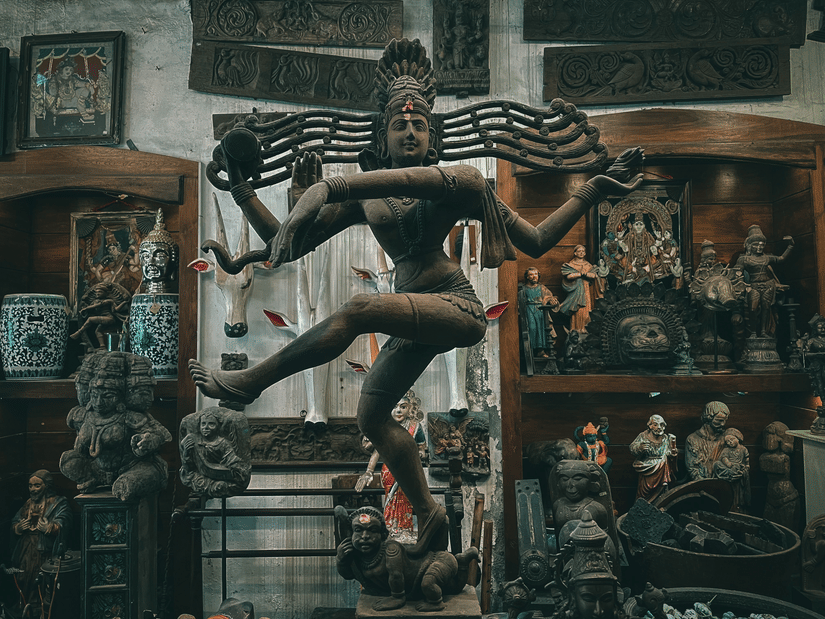
The gallery showcases remarkable Chola bronzes, stone sculptures, inscriptions, and archaeological artefacts, including depictions of Nataraja, Kalyanasundarar, Bhikshatanar, and Muruga. Together, these masterpieces offer a fascinating glimpse into Tamil Nadu's rich artistic and cultural heritage.
The gallery showcases remarkable Chola bronzes, stone sculptures, inscriptions, and archaeological artefacts, including depictions of Nataraja, Kalyanasundarar, Bhikshatanar, and Muruga. Together, these masterpieces offer a fascinating glimpse into Tamil Nadu's rich artistic and cultural heritage.
- Timings: 9:00 AM to 6:00 PM
- Entry Fee: INR 15-50
Preserving Thanjavur's Cultural Identity
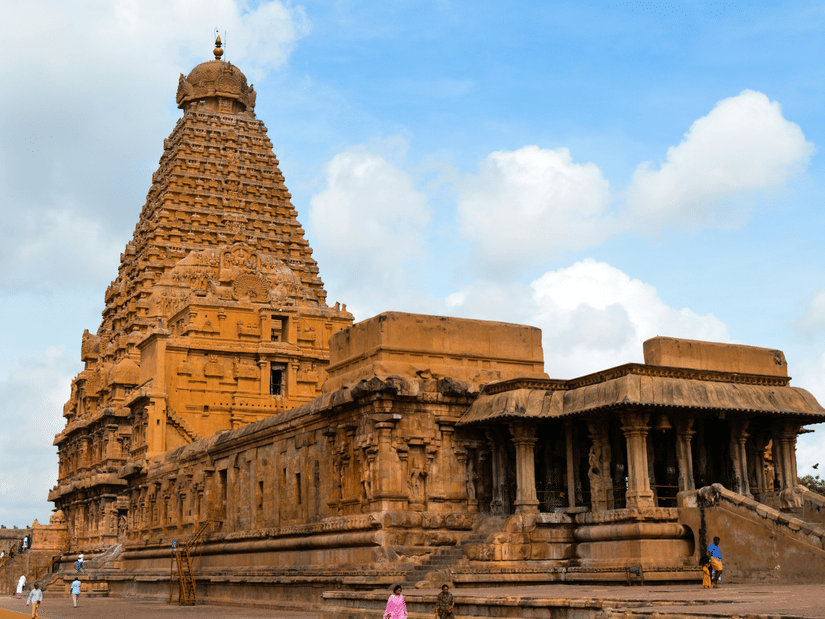
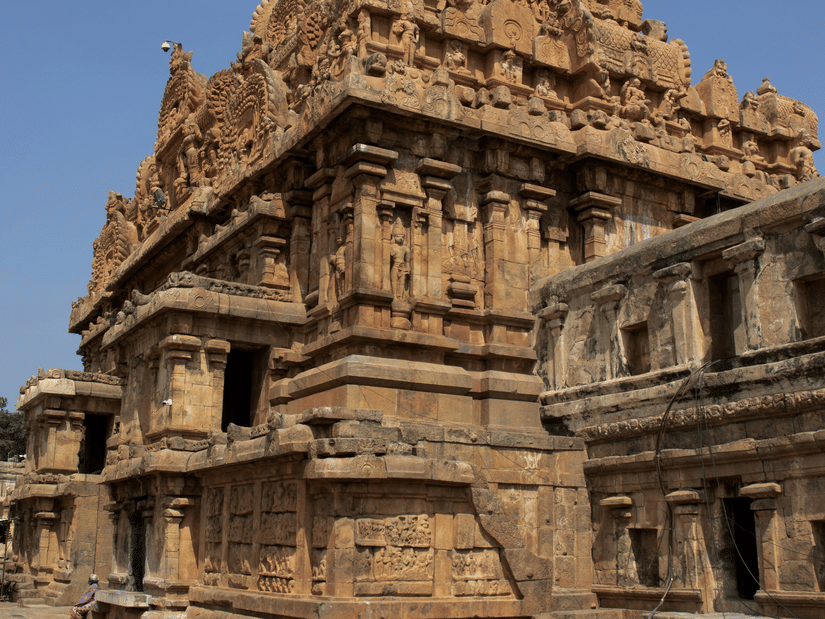
For centuries, Thanjavur has been recognised as one of South India's greatest centres of art, architecture, literature, and music. While monuments like the Brihadeeswarar Temple showcase the grandeur of the Cholas, the gallery preserves the artistic treasures dating from the 9th century AD to the 19th century. Its collections help visitors understand how religion, craftsmanship, and royal patronage shaped Tamil Nadu's cultural identity, making it an essential stop for anyone interested in the region's history.
Chola Bronze Sculptures
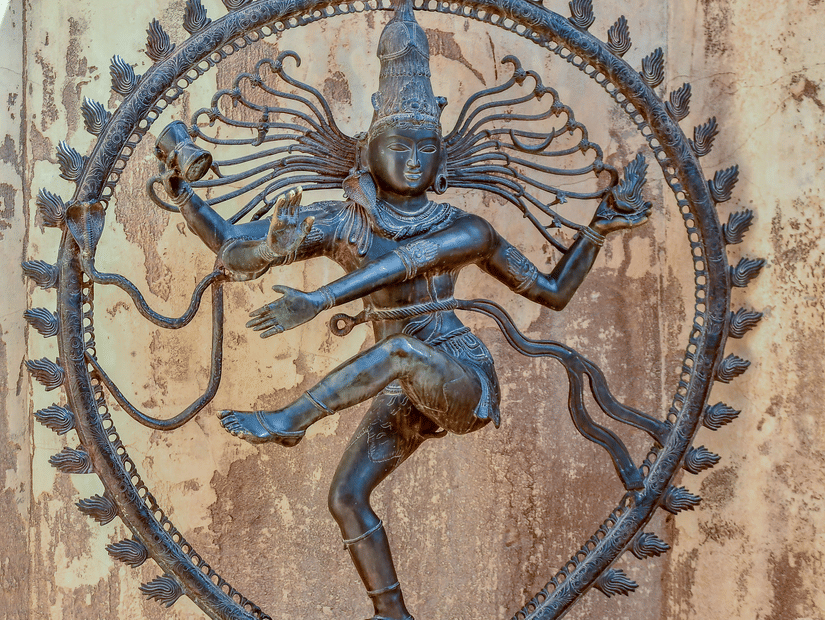
The Thanjavur Art Gallery houses one of Tamil Nadu's finest collections of Chola bronze sculptures, renowned for their artistic excellence and religious significance. Highlights include beautifully preserved bronze icons of Nataraja, Kalyanasundarar, Bhikshatanar, Rishabhavahana Devar, and Subramanya, many dating back to the Chola period.
Created using the traditional lost-wax casting technique, these sculptures are admired for their balanced proportions, intricate jewellery, expressive features, and remarkable craftsmanship. Originally worshipped in temples across Tamil Nadu, they offer visitors a fascinating insight into the artistic and spiritual legacy of the Chola dynasty.
Created using the traditional lost-wax casting technique, these sculptures are admired for their balanced proportions, intricate jewellery, expressive features, and remarkable craftsmanship. Originally worshipped in temples across Tamil Nadu, they offer visitors a fascinating insight into the artistic and spiritual legacy of the Chola dynasty.
Stone Carvings
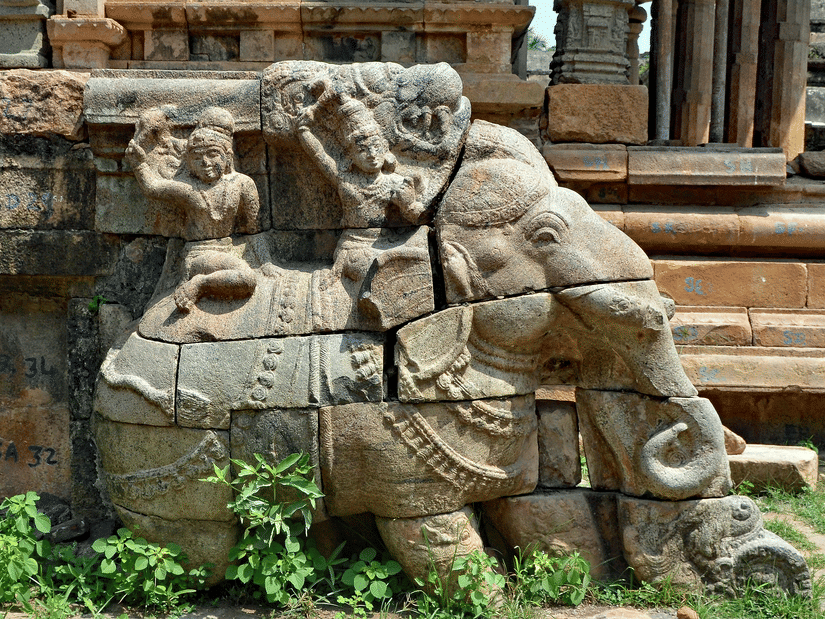
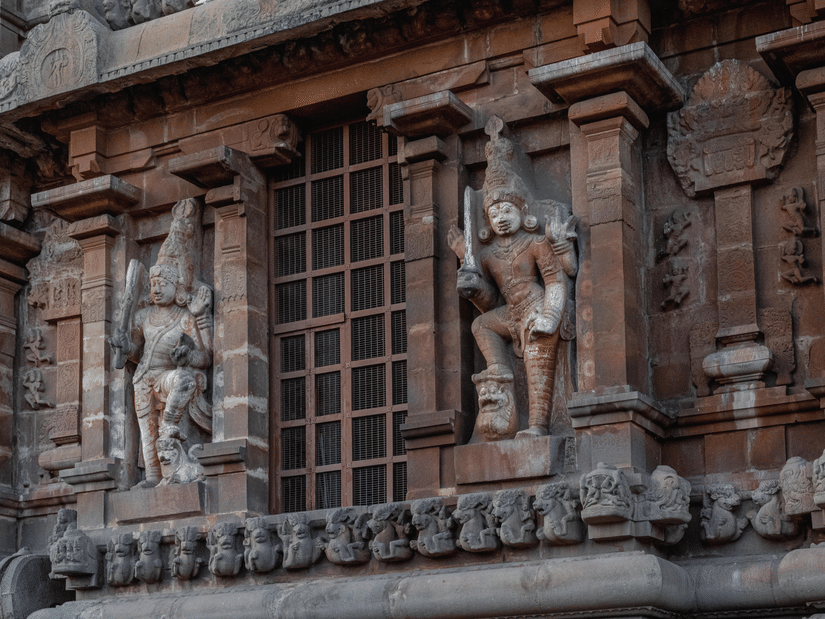
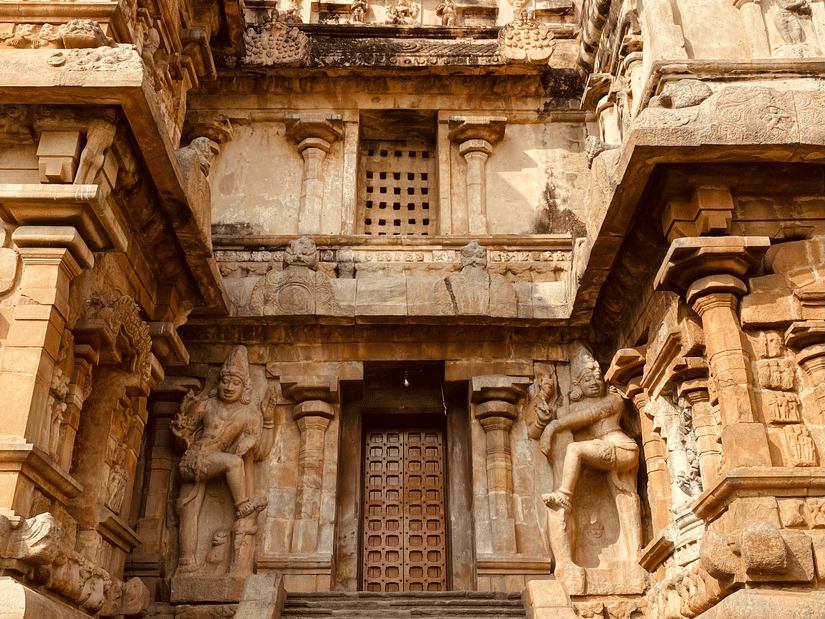
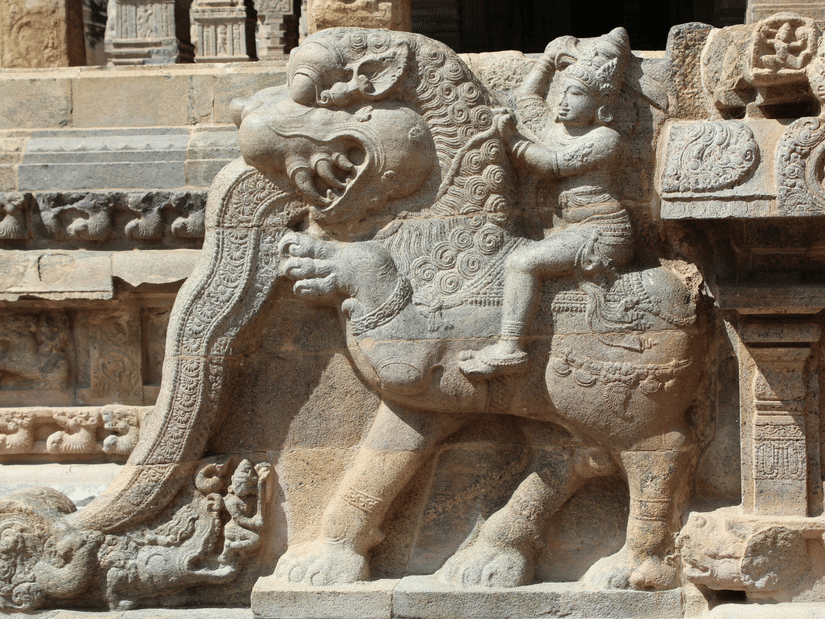
The stone sculpture gallery houses an exceptional collection of temple icons dating from the 7th to the 13th century, many recovered from historic sites across Tamil Nadu. Highlights include sculptures of Ardhanarishvara, Lingodbhava, Dakshinamurthy, Mahishasuramardini, Bhairava, Ganesha, and Vishnu, along with intricately carved dvarapalas (temple guardians).
Their finely chiselled expressions, detailed ornaments, and graceful forms showcase the mastery of South Indian sculptors, offering visitors a fascinating insight into the region's religious and artistic heritage.
Their finely chiselled expressions, detailed ornaments, and graceful forms showcase the mastery of South Indian sculptors, offering visitors a fascinating insight into the region's religious and artistic heritage.
Ancient Statues
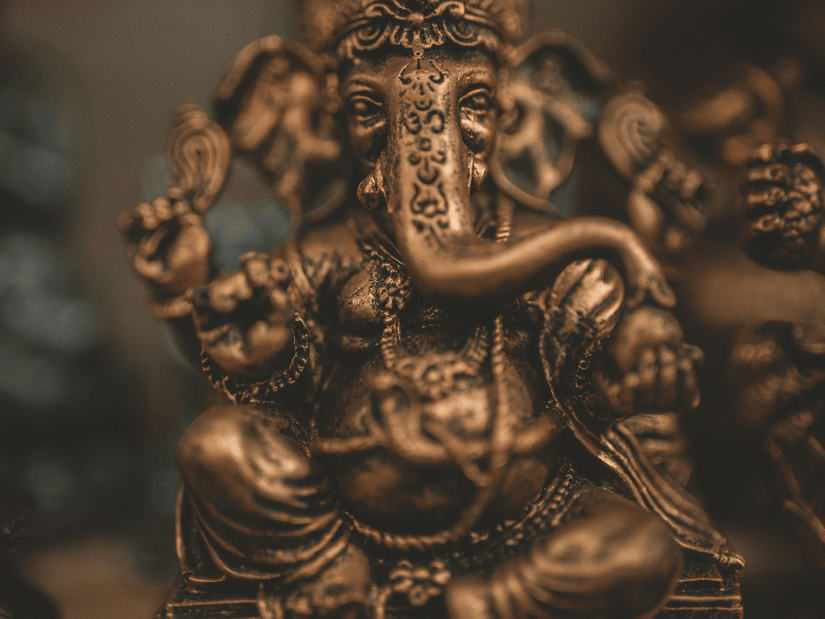
The gallery's collection of ancient statues spans the Pallava, Chola, Nayak, and Maratha periods, illustrating the evolution of South Indian temple art over nearly a millennium. Notable exhibits include statues of Shiva, Vishnu, Parvati, Subramanya, Brahma, and Chandikesvara, each reflecting the distinct sculptural styles of their dynasties. From the refined elegance of Chola craftsmanship to the elaborate detailing of the Nayak period, these statues offer valuable insight into the religious traditions, artistic excellence, and cultural history that shaped Tamil Nadu.
Religious and Cultural Artefacts
The gallery's collection of ancient statues reflects the artistic legacy of the Pallava, Chola, Nayak, and Maratha dynasties. Visitors can see stone and bronze images of Shiva, Vishnu, Parvati, Ganesha, Subramanya, and Chandikesvara, each representing the sculptural style of its period. Together, these statues trace the evolution of South Indian temple art over nearly a thousand years.
Rare Historical Exhibits
In addition to its celebrated sculptures, the gallery houses a collection of hero stones (virakkal), memorial stones, temple inscriptions, architectural fragments, and archaeological relics recovered from historic sites across Tamil Nadu. These exhibits offer valuable insights into medieval temple architecture, royal patronage, religious practices, and the everyday life of ancient Tamil society, making the gallery an important repository of the region's historical and cultural legacy.
The Timeless Legacy of Tanjore Paintings
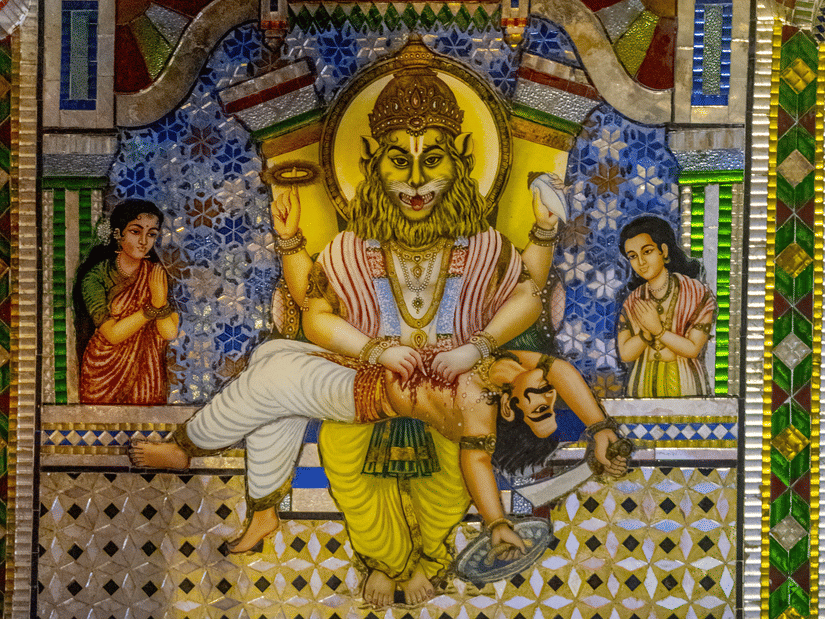
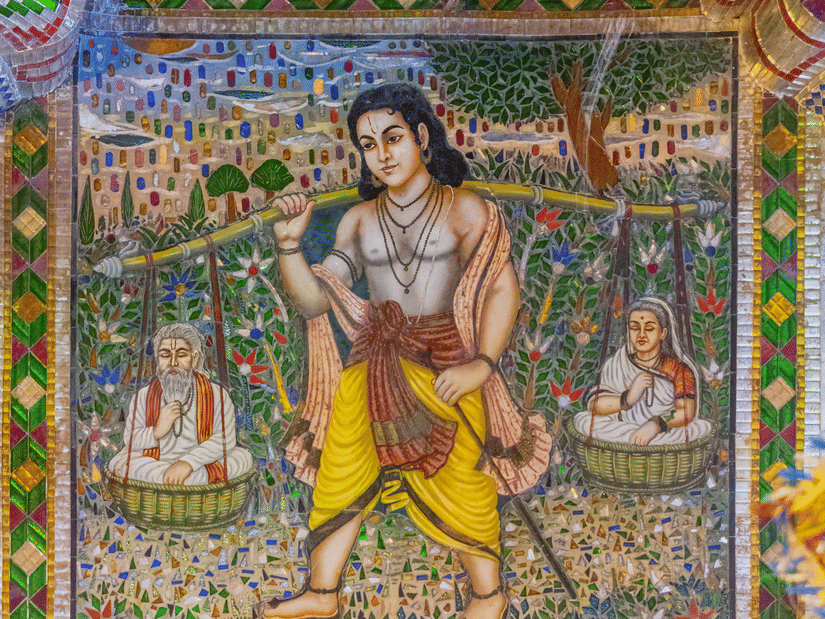
No visit to the Art Gallery Thanjavur is complete without exploring its celebrated collection of Tanjore paintings. Originating in Thanjavur during the 16th and 17th centuries, this distinctive art form flourished under the patronage of the Nayak and Maratha rulers. Artists traditionally prepare wooden boards by covering them with a layer of cloth and a coating of chalk-based paste before applying natural pigments, embossed work, and delicate gold foil.
This meticulous process gives Tanjore paintings their distinctive richness and longevity. Today, it remains one of Tamil Nadu's most treasured artistic traditions, admired for its elegance, craftsmanship, and devotional significance.
This meticulous process gives Tanjore paintings their distinctive richness and longevity. Today, it remains one of Tamil Nadu's most treasured artistic traditions, admired for its elegance, craftsmanship, and devotional significance.
A Tradition Rooted in Devotion
Tanjore paintings were created primarily for temples, royal courts, and homes as objects of worship. Most artworks depict Hindu deities, such as Lord Krishna, Goddess Lakshmi, Lord Ganesha, and Lord Shiva, beautifully capturing stories from Indian mythology while reflecting the region's deep spiritual traditions.
The Tanjore painting art gallery within the museum offers visitors an opportunity to appreciate how these paintings evolved into one of India's most recognisable classical art forms.
The Tanjore painting art gallery within the museum offers visitors an opportunity to appreciate how these paintings evolved into one of India's most recognisable classical art forms.
Gold, Colour, and Fine Craftsmanship
What sets Tanjore paintings apart is their distinctive use of gold foil, embossed detailing, and vibrant natural colours. Painted on wooden panels, these artworks often feature semi-precious stones and richly decorated ornaments that create a striking 3-dimensional effect. Visitors exploring the Tanjore Art Gallery can admire carefully preserved masterpieces that showcase the evolution of this iconic painting tradition over the centuries.
An Art Form Admired Across the World
Today, Tanjore paintings are displayed in museums, galleries, and private collections across the globe. Their timeless beauty continues to inspire artists while preserving a tradition that has been passed down through generations. The Tanjore Art Gallery plays an important role in safeguarding this artistic legacy and introducing it to visitors from around the world.
The Architecture Behind the Gallery
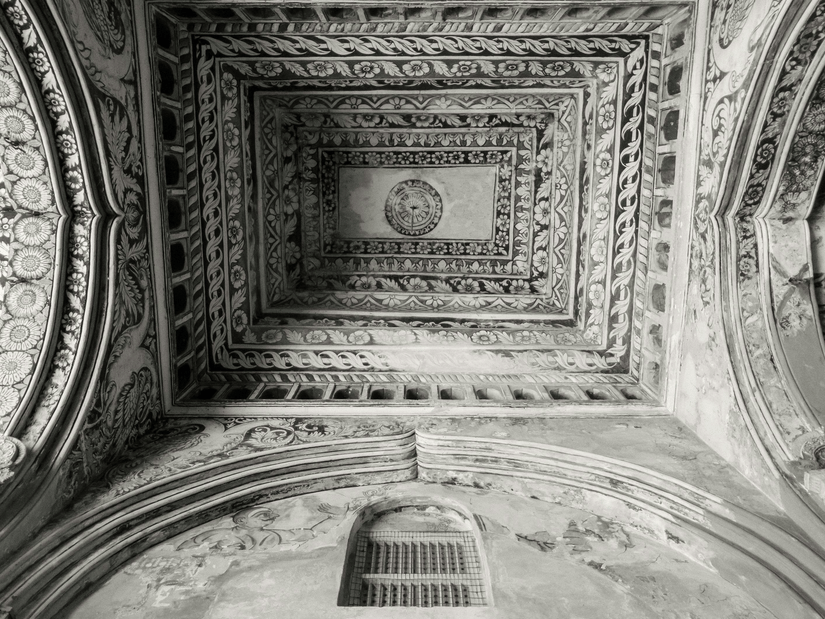
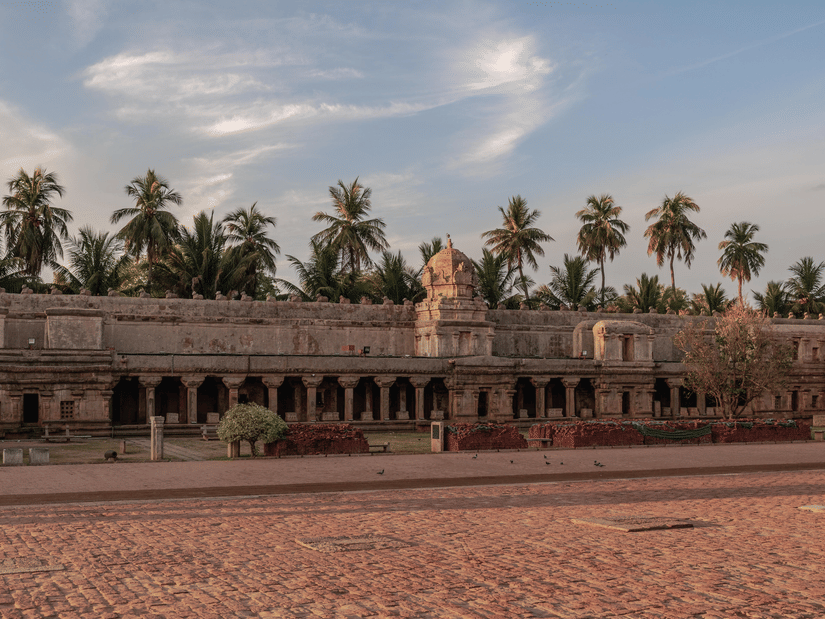
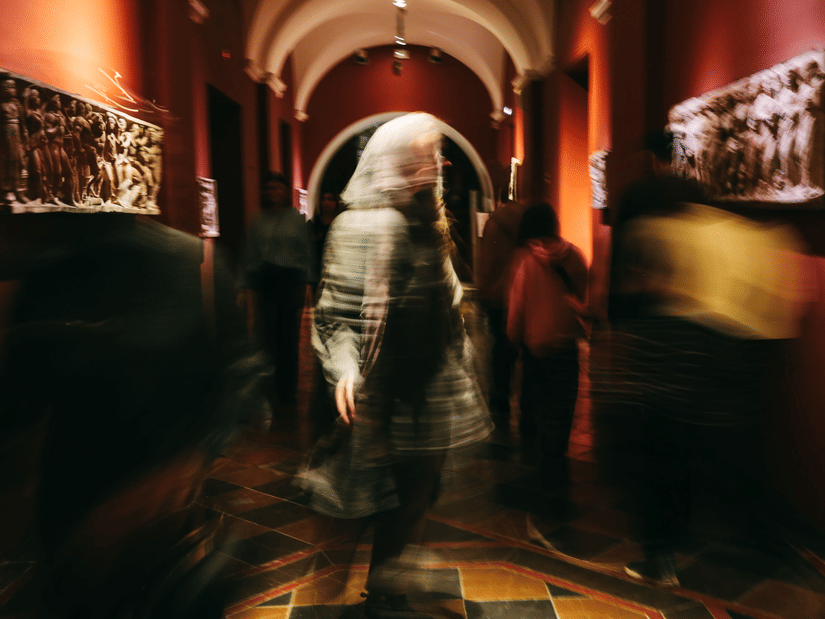
The experience of visiting the gallery begins well before you enter its exhibition halls. Set within the Thanjavur Maratha Palace Complex, visitors are greeted by expansive courtyards, soaring arched corridors, pillared halls, fortified walls, and watchtowers that reflect centuries of royal patronage.
Originally developed by the Nayaks of Thanjavur in the 16th century and later expanded by the Maratha rulers in the 17th and 18th centuries, the palace showcases a distinctive blend of Dravidian and Maratha architectural styles. Today, its carefully preserved structures, including the historic Nayak Durbar Hall, where the gallery is housed, offer a glimpse into the grandeur of a royal residence that has evolved through multiple dynasties while continuing to safeguard Tamil Nadu's rich artistic and cultural heritage.
Originally developed by the Nayaks of Thanjavur in the 16th century and later expanded by the Maratha rulers in the 17th and 18th centuries, the palace showcases a distinctive blend of Dravidian and Maratha architectural styles. Today, its carefully preserved structures, including the historic Nayak Durbar Hall, where the gallery is housed, offer a glimpse into the grandeur of a royal residence that has evolved through multiple dynasties while continuing to safeguard Tamil Nadu's rich artistic and cultural heritage.
A Palace Steeped in History
Originally built during the Nayak period and later expanded by the Marathas, the palace itself reflects the legacy of 3 powerful dynasties. While Thanjavur flourished under the Cholas (9th-13th CE), who transformed it into the capital of their empire and patronised magnificent temple architecture and bronze sculpture, the Nayaks (16th-17th century) strengthened the city as a cultural hub by expanding palaces, supporting literature, and encouraging the arts.
The complex was later enlarged by the Marathas (1674-1855), whose rulers added audience halls, towers, libraries, and administrative buildings that continue to define the palace today. This remarkable blend of architectural styles makes the palace as fascinating as the collections in it.
The complex was later enlarged by the Marathas (1674-1855), whose rulers added audience halls, towers, libraries, and administrative buildings that continue to define the palace today. This remarkable blend of architectural styles makes the palace as fascinating as the collections in it.
A Heritage Worth Preserving
The gallery itself forms an important part of Thanjavur's architectural heritage. By preserving both the historic structure and the artistic treasures it contains, it offers visitors a deeper appreciation of how architecture and art have evolved together over the centuries.
Walking through its galleries feels like stepping into a living museum where every corridor and exhibit tells a story of Tamil Nadu's rich cultural past.
Walking through its galleries feels like stepping into a living museum where every corridor and exhibit tells a story of Tamil Nadu's rich cultural past.
Where History Comes to Life
Beyond its artistic appeal, the gallery serves as an important educational destination. Students, historians, researchers, and culture enthusiasts visit to study South Indian sculpture, bronze casting, traditional painting techniques, and temple art.
The exhibits help visitors understand the evolution of Tamil Nadu's artistic traditions while highlighting the importance of museums in preserving cultural heritage for future generations.
Whether you're an art enthusiast or simply curious about South India's history, every visit offers new insights into the region's remarkable legacy.
The exhibits help visitors understand the evolution of Tamil Nadu's artistic traditions while highlighting the importance of museums in preserving cultural heritage for future generations.
Whether you're an art enthusiast or simply curious about South India's history, every visit offers new insights into the region's remarkable legacy.

Things to Remember
- Follow Photography Guidelines: Photography may be permitted in select areas; always follow the gallery's guidelines
- Avoid Flash Photography: Avoid using flash photography to help preserve delicate paintings and sculptures
- Respect Restricted Areas: Stay within designated visitor areas and follow all museum signage
- Observe the Exhibits: Slow down and appreciate the intricate details, craftsmanship, and history behind each exhibit
- Help Preserve the Heritage: Help preserve these priceless treasures by following museum etiquette throughout your visit
- Centuries of History: Some sculptures in the gallery date back over 1,000 years, showcasing the artistic brilliance of the Chola Empire
- Temple Treasures Preserved: Several exhibits were carefully relocated from ancient temples across Tamil Nadu to protect and preserve them for future generations
- Stories Set in Stone: Rare stone inscriptions provide valuable insights into royal grants, temple administration, and everyday life in medieval South India
- Ancient Craftsmanship Lives On: Many bronze idols were created using the traditional lost-wax casting technique, a centuries-old method still practiced by artisans today
- A Living Artistic Tradition: Tanjore paintings continue to be handcrafted using time-honoured techniques, preserving one of India's most celebrated classical art forms
Whether you're passionate about history, architecture, or traditional art, The Art Gallery Thanjavur deserves a place on your itinerary. Located within the historic Thanjavur Maratha Palace Complex, the gallery is best explored at a leisurely pace. Most visitors spend around 1 to 2 hours discovering its remarkable collections before continuing to explore the palace complex and its architectural landmarks.
As the gallery is part of the larger palace complex, visitors can also explore the Saraswathi Mahal Library, Royal Palace Museum, Bell Tower, and Art Gallery in a single visit. Together, these heritage landmarks offer a deeper understanding of Thanjavur's royal legacy, making the palace complex one of the city's most significant cultural attractions.
As the gallery is part of the larger palace complex, visitors can also explore the Saraswathi Mahal Library, Royal Palace Museum, Bell Tower, and Art Gallery in a single visit. Together, these heritage landmarks offer a deeper understanding of Thanjavur's royal legacy, making the palace complex one of the city's most significant cultural attractions.
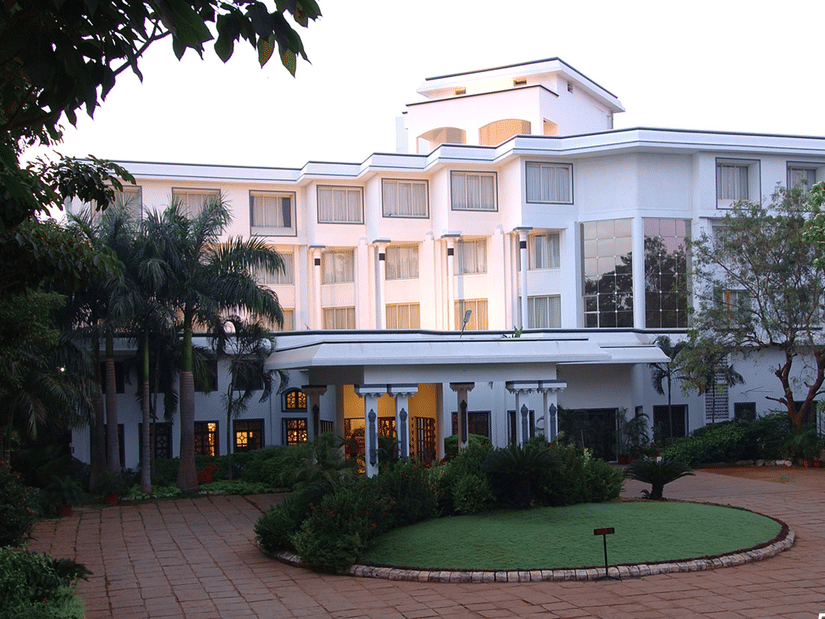
After a day spent exploring the art gallery in Thanjavur and the city's remarkable heritage, unwind at Sangam Hotel, Thanjavur, located approximately 4 km from the gallery. Offering a blend of modern comfort and warm hospitality, the hotel provides the perfect base for discovering the city's rich cultural attractions.
Relax in well-appointed rooms designed for a comfortable stay before setting out to explore more of Thanjavur's historic landmarks. When it's time to dine, enjoy an exceptional culinary experience featuring authentic South Indian specialities alongside Indian and international favourites, making every meal as memorable as your sightseeing adventures.
Its convenient location also places you close to iconic attractions such as the Brihadeeswarar Temple, Saraswathi Mahal Library, and the Thanjavur Maratha Palace, allowing you to experience the very best of the city's history and culture with ease.
Relax in well-appointed rooms designed for a comfortable stay before setting out to explore more of Thanjavur's historic landmarks. When it's time to dine, enjoy an exceptional culinary experience featuring authentic South Indian specialities alongside Indian and international favourites, making every meal as memorable as your sightseeing adventures.
Its convenient location also places you close to iconic attractions such as the Brihadeeswarar Temple, Saraswathi Mahal Library, and the Thanjavur Maratha Palace, allowing you to experience the very best of the city's history and culture with ease.